
Friend, how is your “green thumb” these days?
I have one large jade plant that sits and suns itself in a corner of my home in the afternoon light. When I sit close to it and notice all the regular new growth, I feel so proud of its progeny…but in fact, I know practically nothing about its needs at all. I simply re-pot it with prepared soil from the hardware store (and whatever large pot I happen to have on hand) every few years when it starts to look really cramped and dried-out looking. There is no preparation or planning involved, and yet the growth looks marvelous. I have learned that all it needs is to be left alone in a west-facing window and to water it less than I think I should.
However, I’ve also had plants (too many to name) for which I’ve had careful plans and worked hard to give them what they needed, but to no avail. They died before I could work out the kinks in their nurture needs.
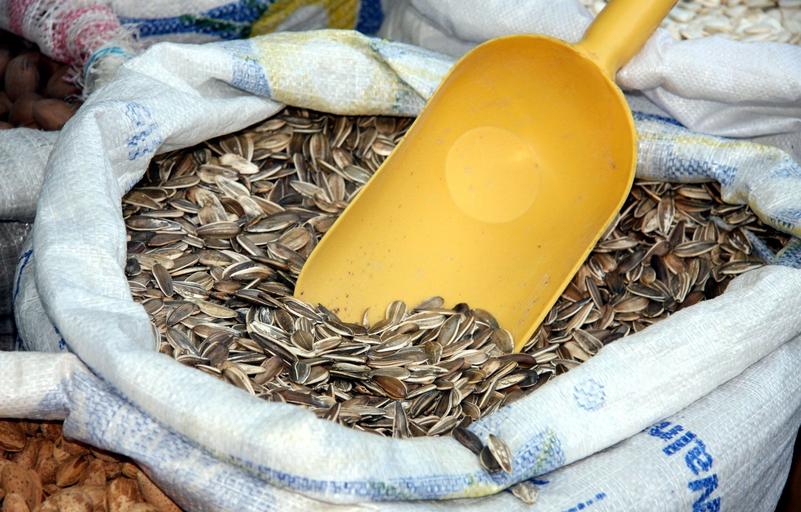
Our Parables: All-Abilities Inclusion Worship theme for January is “Vision and Risk” at Chelsea First United Methodist Church (https://chelseaumc.org/parables/). The Parable of the Sower (Mark 4: 1-9) is one that many of us are familiar with: Four different “kinds” of seed are sown by a farmer, but only the last type of seed grows to produce a large “harvest.” Jesus goes on to explain that people are capable of reflecting any and all of these types of growth in God, and it’s when we find ourselves embracing the Word that God has sown into the world, that our lives produce the stuff which makes God’s heart sing.
At first glance, it might be easy to think that it’s only the quality of the soil (soul) into which the seed is planted that makes the difference. In other words, if a person just strives to “work out the kinks” in their spiritual practices, deep prayer times, and church attendance—that their life will have gorgeous, flavorful, end-of-summer tomatoes hanging off of it in no time. But my own experience with houseplants gives me pause when I’m tempted by overly simplistic theories of divine growth in the world.
I think this parable is much more about how God risks than about how God plans.
And risk involves vision—both God’s and our own.
And for us, vision is something that changes over time along with our WHYs:
WHY did you look forward to experiencing Christmas Eve service a few weeks ago—even though you’ve likely attended quite a few over the years? It’s likely you were seeking a deeper level of meaning, or seeking to share the Wonder of the Word with younger family members, or hoping to be touched with a familiar-but-new-understanding of what the world has known as its “Second Incarnation Story” for thousands of years.
WHY do you find time to connect to God in early morning quiet, the beauty of nature, and in the crises being experienced by people you love? It’s likely your vision of who or what God is has changed over time, and you’re seeking the peace and joy you know are possible with an ever-opening heart.
WHY do you continue to seek new ways to nurture (with your time, energy, and money) slowly-developing relationships with the vulnerable parts of our world? It’s likely you’ve found that risking vulnerability in the name of Christ involves embracing the Word which God has sown into other people (which means not having any guarantee that the care we invest will grow in our hoped-for ways!) This is the very nature of the Kin-dom of Heaven: Offering up our own vulnerability as part of God’s vision. Understanding that risking is what leads to righteousness with God instead of our own defensive self-righteousness.
Your personal answers to the above questions will likely be somewhat different this year than they were last year, as so much has changed in the last 12 months in the world, and especially in this country. Our WHYs change as the context of our lives in family and society change. And these WHYs constitute the ever-changing growth conditions for the seed of God that is planted in each of us and hard-wired for growth. Thinking through our WHYs can also help to align us with God’s vision.
So, yes. January’s theme and parable is about tending to the quality of the soil (soul), but it’s also about so much more. It’s about identifying WHY we each continue to risk the vulnerable parts of ourselves in order to participate in God’s risky vision for the healing of this fragmented and hurting world. What are your WHYs for being part of an intentional faith community? Understanding the reasons you show up as you do each day helps nurture God’s Word that is already alive in you.
And “green thumb” or not, the Word in you is ready to bud in this new year. Many blessings of growth to you in 2025!


Beautiful! One lesson that my intuition as a Mother tells me is that when I replace the word God with the word Love, it is a lot easier to hold in my heart. I know I have a special little light in my heart that is creation’s gift to me. I know, as a Mother, that I love my children with my whole heart, soul, and being and would gladly sacrifice my life it was required. I didn’t realize how full my heart would be until I held my first child. It was then that I understood statements like once you have “your own” child, you’ll comprehend the capacity of your Mother’s love. The thing is, is that we already carry our own precious child “inner child” in our hearts if we use our Woman’s gift of intuition. Unfortunately, our “little boys” need plain “language” communication methods to understand that love has nothing to do with winning… it’s about getting to play. All creation’s children are equal in a Mother’s eyes(heart). 🌎
LikeLike
Sue, it is so good to hear from you! And yes, I completely agree. Thanks for writing this so powerfully—I hope you start your own blog soon 😉
LikeLike